トリックサビキ
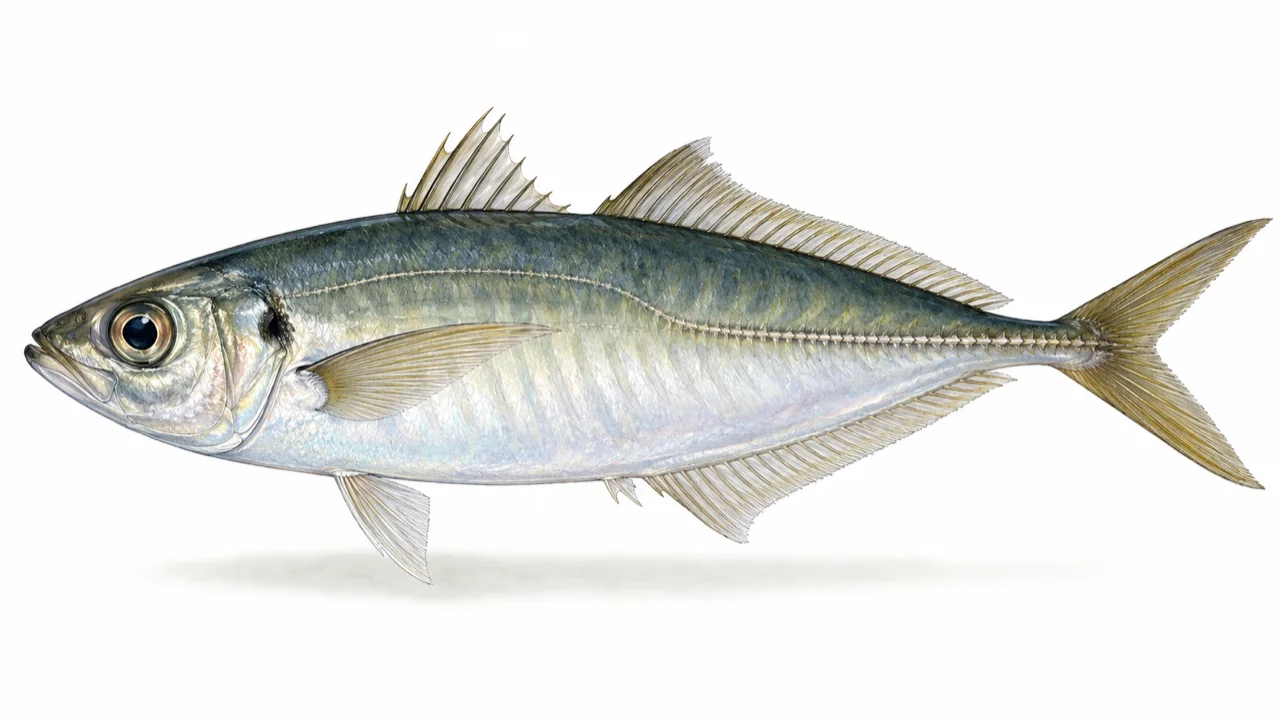
くさやの原料として有名。干物に適している
最もポピュラーな釣り魚。刺身、フライ、なめろうに最適
About Tide Types
Occurs around new and full moons. Largest tidal range with strong currents. Fish are more active, making it a good time for fishing.
Between spring and neap tides. Moderate water movement provides stable fishing conditions.
Occurs during first and third quarter moons. Smallest tidal range with gentle currents. Fish activity may decrease.
Follows neap tide. Minimal tidal movement, making fishing conditions challenging.
Day after long tide. Tidal movement gradually increases, recovering toward spring tide.
潮位データは気象庁の天文潮位を利用しています
High/Low Tide and Fishing Success
When the sea level is at its highest. Fish activity often changes around slack water, especially during the incoming tide (flood tide) which is considered prime time for fishing.
When the sea level is at its lowest. Fish tend to become active during the incoming tide (flood tide) and outgoing tide (ebb tide).
Fishing Tips
- Target the 2-3 hours before and after high/low tide when water is moving
- Fish activity tends to decrease during slack water (peak high/low tide)
- Best results when dawn/dusk coincides with tidal movement
Tide data is provided by Japan Meteorological Agency (JMA)
Dawn/Dusk and Fishing Success
About one hour around sunrise. Plankton become active, followed by baitfish, then larger fish. This is the most productive time of day for fishing.
About one hour around sunset. Fish increase feeding activity in preparation for night. Second best time for fishing after morning.
Tips for Golden Hour Fishing
- Arrive at least 1 hour before sunrise/sunset to set up
- Fish are less cautious during changing light conditions
- Best results when tidal movement coincides with dawn/dusk
Sunrise/sunset times are calculated estimates based on coordinates
コメント 0件
まだコメントがありません
ログインしてコメントを投稿