サッパ 10cm | 宮城県 2026年5月の釣果|ぱんつさんの投稿
Barometric Pressure & Fishing
Low pressure or approaching typhoon. Fish swim bladders expand, increasing activity. However, prioritize safety in rough weather.
Pressure range indicating incoming clouds or rain. Fish tend to be more active, making it a favorable condition for fishing.
Typical pressure range. The direction of pressure change (rising or falling) affects fishing more than the absolute value.
Clear weather under high pressure. Fish swim bladders compress, causing fish to sink deeper. Target dawn/dusk or tidal movements.
Strong high pressure. Fish tend to stay near the bottom with reduced activity. Slow presentations near structure are effective.
Pressure & Fishing Tips
- Change matters more than absolute value. Falling = active, Rising = sluggish
- 24-48 hours before low pressure arrives is often the best fishing
- During high pressure, target deeper areas with slower presentations
- Rapid pressure changes can make fish nervous
Weather data comes from JMA AMeDAS observations
Barometric Pressure & Fishing
When pressure drops, fish swim bladders expand, causing fish to rise and become more active. They feed more aggressively. Times before low pressure systems or rain are prime opportunities.
When pressure is stable, fish activity is also stable. Neither particularly good nor bad conditions - tides and time of day become more important factors.
When pressure rises, swim bladders compress, causing fish to sink deeper. During high pressure clear weather, fish tend to stay near the bottom with reduced activity.
Fishing Tips
- Fish are most active 24-48 hours before low pressure arrives
- Gradual pressure changes trigger better fish response than rapid changes
- During rising pressure, target deeper areas and structure
Weather data comes from JMA AMeDAS observations
Wind and Fishing
Ideal conditions for fishing. Easy casting and line control. Subtle bites are easier to detect.
Light ripples can reduce fish wariness, sometimes improving fishing. Choosing sheltered spots makes for comfortable fishing.
Casting accuracy decreases and line drifts easily. Use heavier lures/weights and choose wind-sheltered spots.
Difficult fishing conditions. Hard to stand steady and cast. Risk of high waves. Seek shelter or consider leaving.
Fishing should be suspended. Risk of falling accidents due to high waves and gusts. Wait for weather to improve or postpone.
Wind Tips
- Choose spots on the lee side (sheltered from wind)
- Use heavier lures/weights for distance and stability
- Cast with the wind at your back, avoid headwinds
- Prioritize safety when wind exceeds 8 m/s
Weather data comes from JMA AMeDAS observations
サッパって言うらしい。サビキで釣れました!
Dishes from this catch
1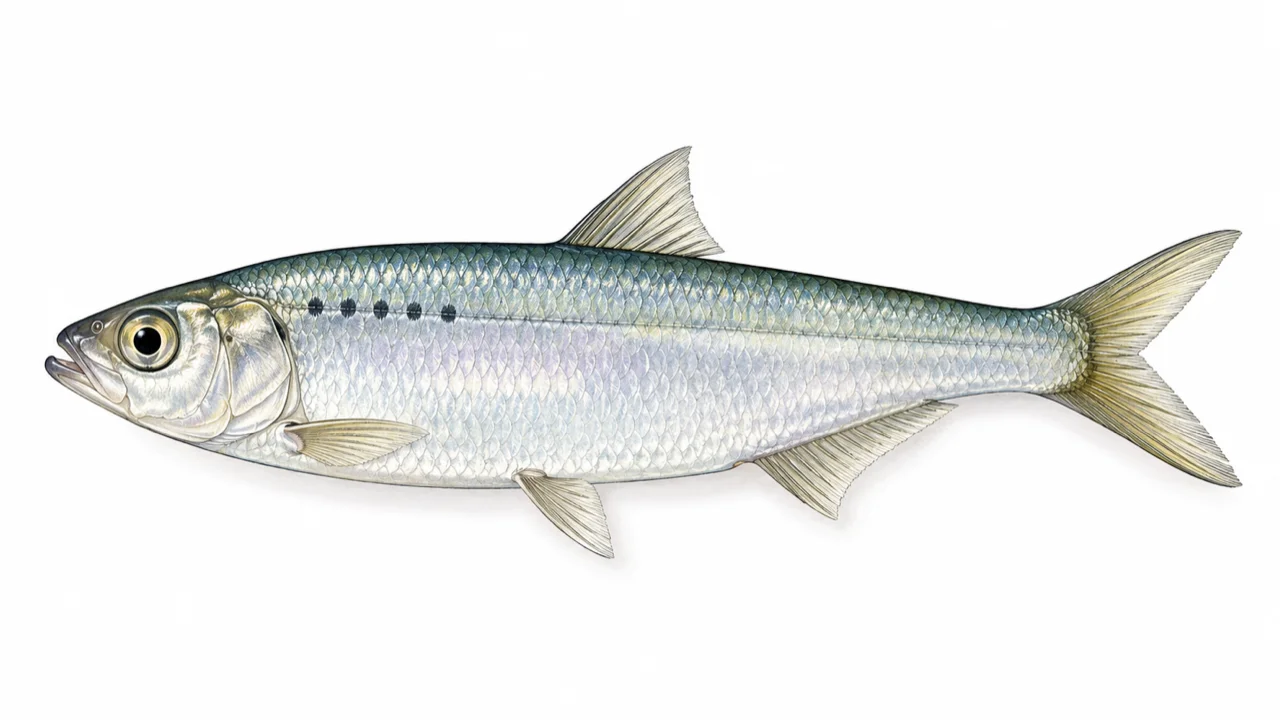
酢漬け(ママカリ)が有名。岡山の郷土料理
About Tide Types
Occurs around new and full moons. Largest tidal range with strong currents. Fish are more active, making it a good time for fishing.
Between spring and neap tides. Moderate water movement provides stable fishing conditions.
Occurs during first and third quarter moons. Smallest tidal range with gentle currents. Fish activity may decrease.
Follows neap tide. Minimal tidal movement, making fishing conditions challenging.
Day after long tide. Tidal movement gradually increases, recovering toward spring tide.
Tide data is provided by Japan Meteorological Agency (JMA)
High/Low Tide and Fishing Success
When the sea level is at its highest. Fish activity often changes around slack water, especially during the incoming tide (flood tide) which is considered prime time for fishing.
When the sea level is at its lowest. Fish tend to become active during the incoming tide (flood tide) and outgoing tide (ebb tide).
Fishing Tips
- Target the 2-3 hours before and after high/low tide when water is moving
- Fish activity tends to decrease during slack water (peak high/low tide)
- Best results when dawn/dusk coincides with tidal movement
Tide data is provided by Japan Meteorological Agency (JMA)
Dawn/Dusk and Fishing Success
About one hour around sunrise. Plankton become active, followed by baitfish, then larger fish. This is the most productive time of day for fishing.
About one hour around sunset. Fish increase feeding activity in preparation for night. Second best time for fishing after morning.
Tips for Golden Hour Fishing
- Arrive at least 1 hour before sunrise/sunset to set up
- Fish are less cautious during changing light conditions
- Best results when tidal movement coincides with dawn/dusk
Sunrise/sunset times are calculated estimates based on coordinates
釣った場所
サッパの唐揚げ
内臓を抜いて塩振って骨まで食べれるようにしっかりと揚げました。 うんまい!
Ingredients
- サッパ 釣った分だけ
- 片栗粉 適量
- 塩 適量
料理評価
釣れたてのサッパを骨まで美味しくいただける唐揚げにされたのですね!丁寧に揚げられていて、ビールとの相性も抜群でしょう。彩りを添える野菜を添えると、さらに食卓が華やぎますね。
釣果査定
内訳
ママカリと呼ばれるが旬を外れ、市場価値はほぼ無いね。
この査定結果はAIによるお楽しみ要素であり、実際の市場価格とは異なります。
コメント 2件
初サッパおめでとうございます🎉図鑑もついに2桁に突入ですね!!
ポケモンコンプしていく感覚に陥ってます笑
ログインしてコメントを投稿